Fieldnotes / Method
What a capital campaign film series actually is
One film per fundraising pillar, built from interviews, launched across the campaign calendar. How Williams and Brooks did it.
By Firestarter InteractiveSeptember 8, 20263 min read
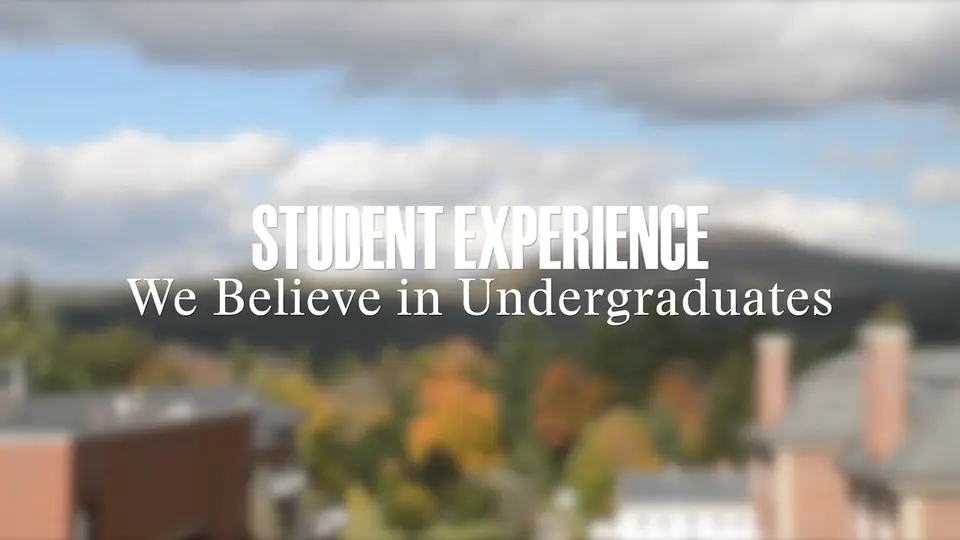
A capital campaign asks a community to believe in a future version of itself. The case statement makes the argument. The film series is where people hear that argument from the students, faculty and alumni who live it, and it is usually the first thing a prospective donor sees before a single ask is made.
One film, one pillar
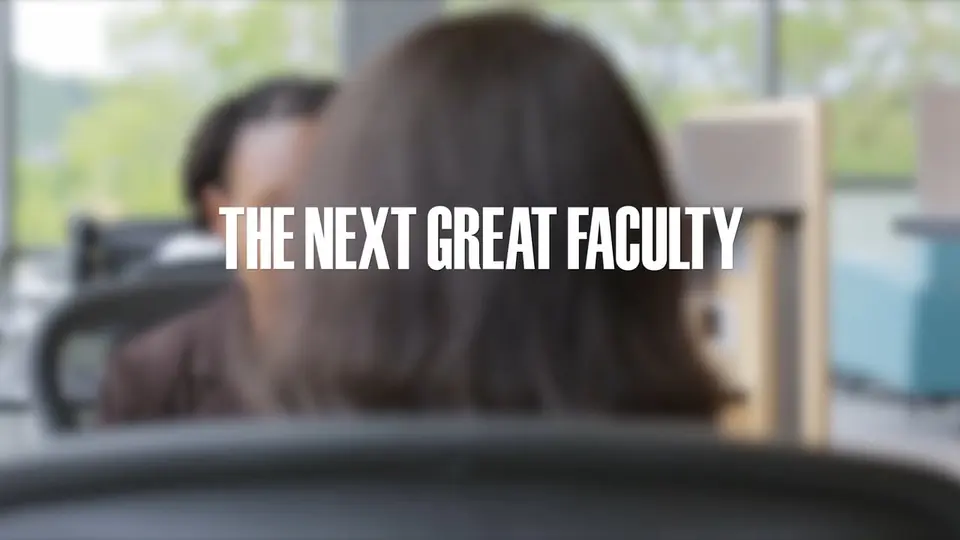
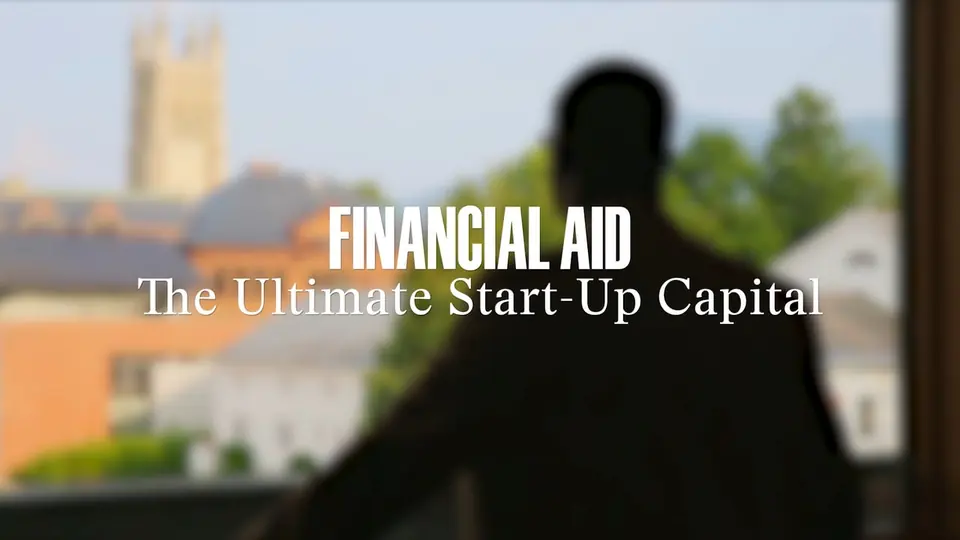
The structure is simple and it holds up under pressure: each film carries one campaign priority. When Williams College came to us in the summer of 2015, the campaign rested on five pillars, so the series was five films: Student Experience, Faculty, Financial Aid, Teach It Forward and Science Education. A development officer sitting down with a donor who cares about access opens the Financial Aid film. An event about the sciences opens with Science Education. Nobody has to sit through the whole case to get to the part that is theirs.
Brooks School followed the same logic a year later for the largest capital fundraising campaign in its history, with a three-film series: an Overview to lead the campaign, Financial Aid, and the Center for the Arts. Three priorities, three films, one visual language.
Built from interviews, not scripts
We do not write these films and then find people to say the lines. We start by listening: campaign priorities, the audiences who need to act on them, and the narratives the institution wants to shift. Then we conduct documentary-style interviews with students, faculty, alumni and leadership, transcribe every one, and organize hundreds of pages of transcript into Selects by theme. From the Master Selects we build a narrative storyboard for each film before any editing begins.
The result sounds like the school because it is the school. A student explaining what a scholarship changed for her is more persuasive than any voiceover we could write, and a professor describing the moment a lab clicked for a first-year is the faculty pillar in one minute.
“Willa is a deft and powerful storyteller whose videos for Williams have captivated prospective students, inspired prospective donors, and educated thousands about our college’s character, history, and aspirations.”Rob White, former Deputy Director of Communications, Williams College
Launched across the calendar
A series is planned around the campaign, not the other way round. The Overview leads the public launch. Pillar films headline regional events, sit on the front page of the campaign site, and go out in the email sequences to the constituencies they speak to. Because the interviews were shot documentary-style, the footage re-cuts cleanly into 30-second social pieces and event openers without a second shoot.
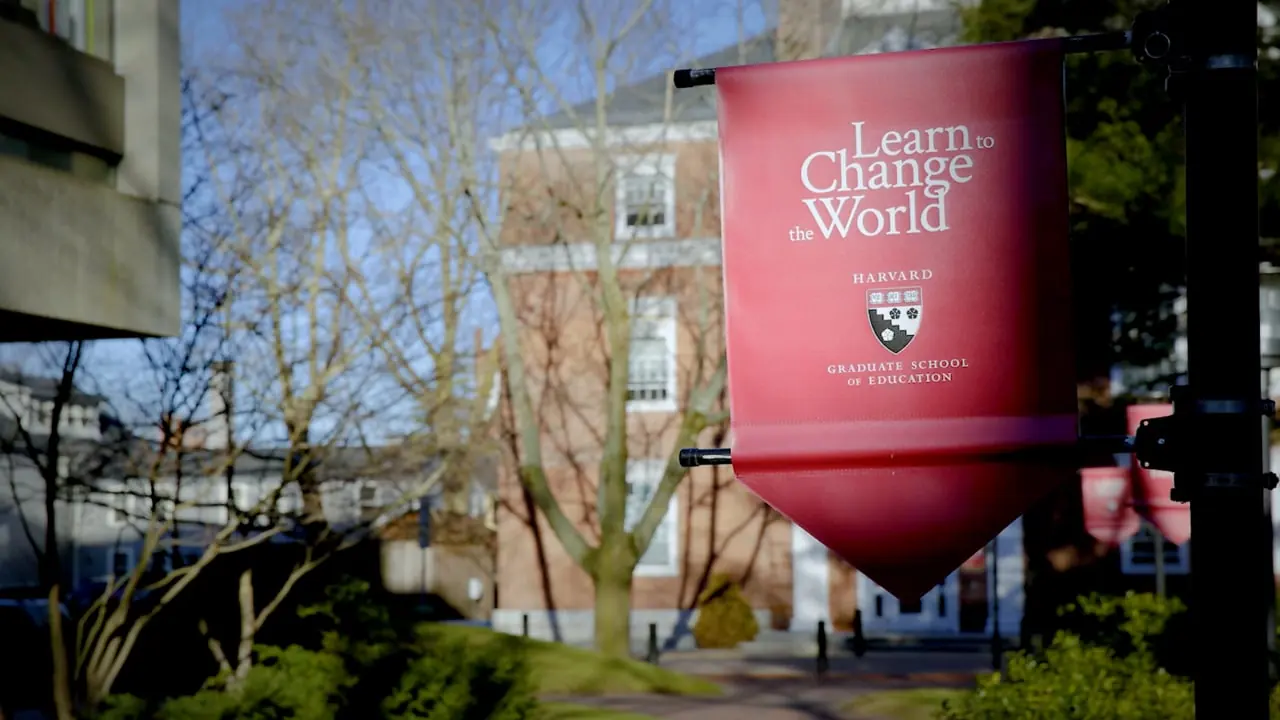
And when the campaign closes, there is one more film to make. The Harvard Graduate School of Education asked us for a Campaign Thank You in 2018, celebrating the impact on campus and around the world of a successful five-year campaign under Dean Jim Ryan. Gratitude is a story too, and it is the one that sets up the next campaign.
What it takes from you
A campaign series is a partnership, and the institution is a partner in the story rather than a spectator. We define goals together, share Master Selects and the storyboard before we edit, and review story-development cuts with you until we are all thrilled. Long-term relationships build a deep, flexible story archive you can draw on as new objectives emerge, which is why several of our education partners have been with us for more than one campaign.
Published in Fieldnotes
Method · September 8, 2026 · All posts