Fieldnotes / Method
Documentary-style interviews: how we get people to open up
Clients say their interviewees feel like they have known Willa forever within minutes. That is not luck. It is the method.
By Firestarter InteractiveSeptember 8, 20262 min read
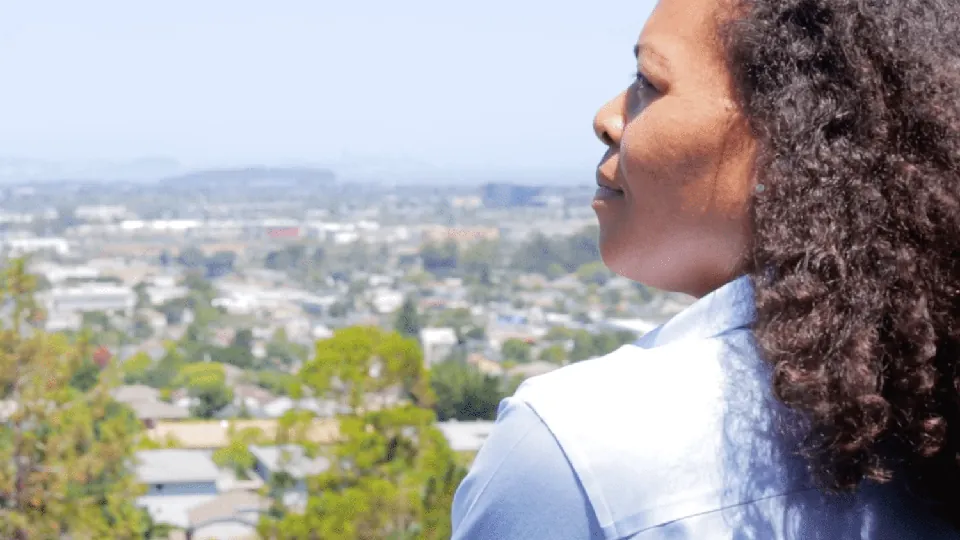
The interview is where every Firestarter film is won or lost. A capital campaign film, a foundation’s fundraising piece, a feature documentary: all of them are built from what real people say on camera, and none of them work if those people are guarded. So we have spent seventeen years learning how to make a camera disappear.
“When interviewees meet her it’s as if they’ve known her forever and they immediately feel at ease sharing their thoughts and feelings.”Matt Hamilton, Senior Associate Director of Development & Alumnae Communications, Barnard College
Prepare the questions together
An interview starts weeks before the camera rolls. In the Listen phase we work with the client to understand the key audiences, the questions the film has to answer and the narratives it needs to shift. Those strategic objectives become the interview questions, translated into language that invites a story rather than a talking point. The subject never sees a script, because there is none.
Seek a range of voices
We interview from the ground to leadership: students and faculty, farmers and CEOs, parents and governors. The variety is not for show. A dean can describe a campaign’s strategy, but only a first-year can describe the day a scholarship letter arrived, and a film that carries both is one people believe.
Keep the setup small and calm
Where possible we interview people in places they know, an office, a lab, a boat, a kitchen, with a crew small enough that the room still feels like theirs. The lighting is quiet, the conversation starts before anyone says “rolling,” and the questions follow the person rather than the paper. Most subjects stop noticing the camera within the first few minutes. That is when the answers get good.
Then listen, on the record
Every interview is transcribed in full. Hundreds of pages of transcript are organized by theme into Selects, and the narrative storyboard is built from the Master Selects before any editing begins. This is the part people rarely see, and it is why the finished film sounds like the people in it: the story comes out of the transcript, not the other way round.
It is a time of more shouting than listening. We think the films work because, for an hour, someone listened.
Published in Fieldnotes
Method · September 8, 2026 · All posts