
A feature documentary · in development, seeking a production partner

Regenerative ocean farming & the power of blue.
A documentary film and multimedia impact campaign to educate and inspire about the promising potential of regenerative ocean farming and the blue economy.
The project
Blue economy pioneers across the globe are harnessing the power of seaweed as a game-changing climate solution and good business opportunity for a brighter, bluer future.
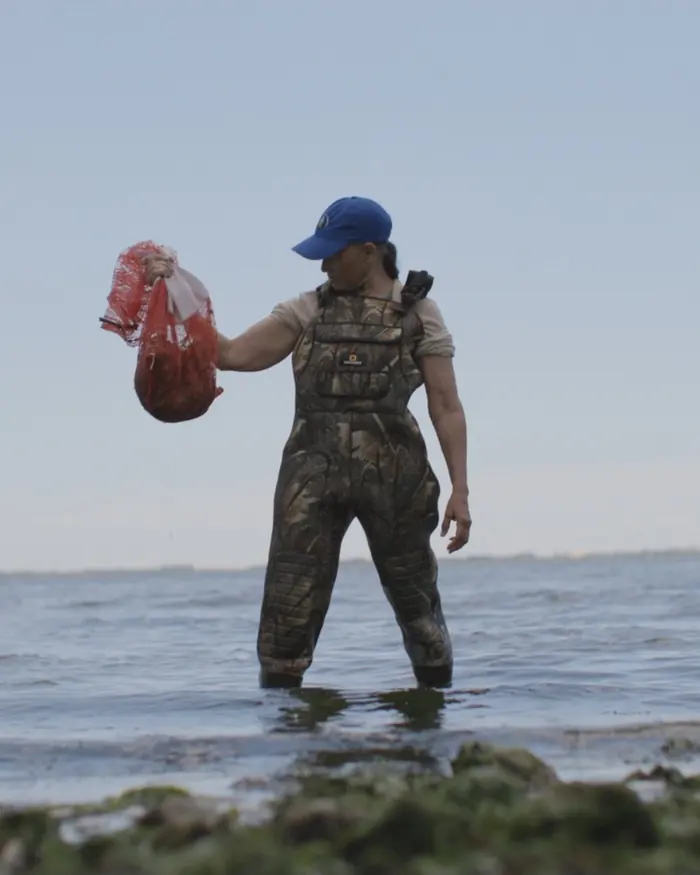
In this highly cinematic, character-driven film we travel from Alaska to Australia, Norway to Tanzania — meeting Indigenous small-scale farmers like Long Island’s Shinnecock Nation, farming seaweed to restore their degraded ancestral waterways; savvy entrepreneurs like Pierre Paslier of London-based NOTPLA, using seaweed to create the packaging of the future at scale; and scientists like Jennifer Smith of Scripps Institution of Oceanography, validating the potential of seaweed to positively impact a myriad of sectors across our planet.
Salty and inspiring, these blue economy pioneers show us a brighter, bluer future that they are actively cultivating, one kelp seed at a time — and invite us all to dive in.
The visionary leaders of regenerative ocean farming endeavor to take humanity way beyond reduce, reuse, recycle. They are building entire industries that actually improve the planet as a natural course of their operations — pulling carbon from the atmosphere and cleansing polluted waters, while providing abundant raw material for products and employment for those impacted most by climate change.
It is both an emergent global industry and a key climate solution: it sequesters carbon, revitalizes marine ecosystems, supplies goods — food, fertilizer, feed, bioplastics, biofuels — and, possibly most important, jobs. We believe the stories of the people pushing humanity toward our best possible future should be celebrated and shared through the power of film.
Why seaweed?
One crop. A dozen industries.
“The economic value attributable to activities from the world’s oceans is predicted to reach $3 trillion by 2030, growing 200% faster than land-based activities.”
Climate crop
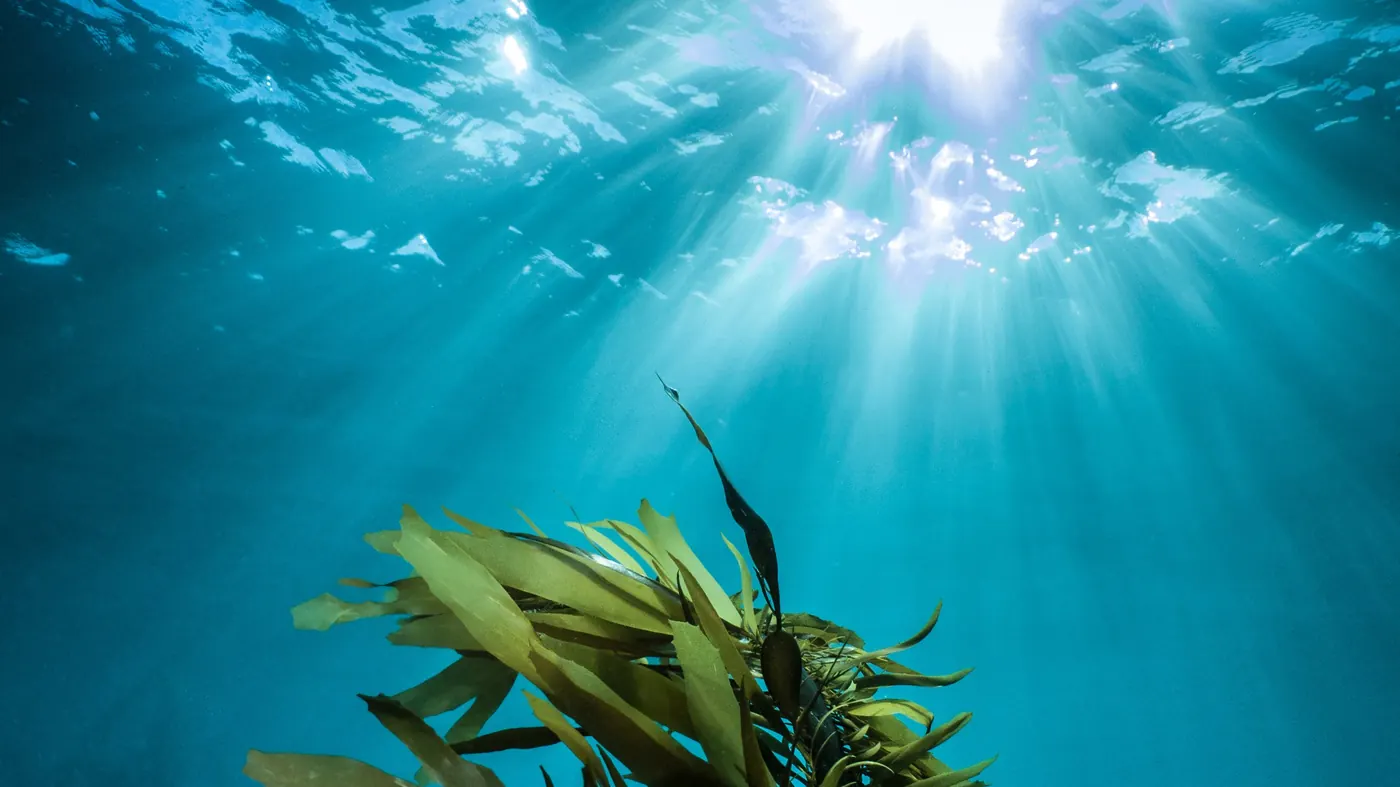
Kelp grows 1–2 feet a day, absorbing up to twenty times more carbon than land-based plants as it grows — and needs no fresh water, fertilizer or other inputs.
Ocean’s superfood
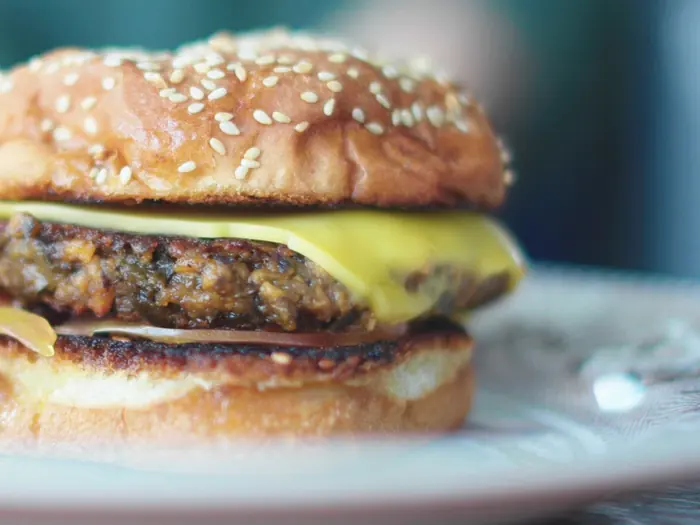
Low in calories and rich in essential vitamins and minerals — A and K, iron, folate, calcium, magnesium, zinc and iodine — and high in the antioxidants that combat disease-causing free radicals.
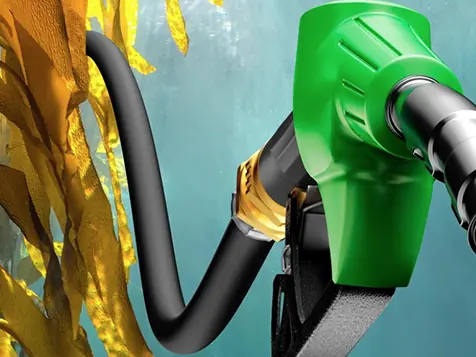
Biofuel
Macroalgae is one of the highest-potential third-generation biofuel sources: it grows exponentially in salt water and adverse conditions, and it’s safe, sulfur-free and extremely compostable. 2016 global production was valued at $11.6 billion and growing.
Bioengineered Scientific Journal · UN FAOLivestock
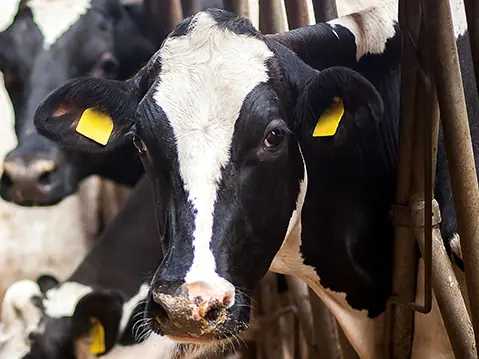
Cattle are the top agricultural source of greenhouse gases, and methane has 84× the warming potential of CO₂ over 20 years. Added to feed, the red seaweed Asparagopsis taxiformis cuts methane emissions by as much as 82%.
UN Economic Commission for Europe · UC DavisBiomedical
Seaweed-derived polysaccharides are already used in tissue engineering, drug delivery, oncology and wound care.
Starch Scientific JournalBioplastics
Seaweed-based polymers can replace petroleum plastics: high quality, renewable, inexpensive, biodegradable, home-compostable — even edible as waste.
International Research Journal of Modernization in EngineeringCosmetics
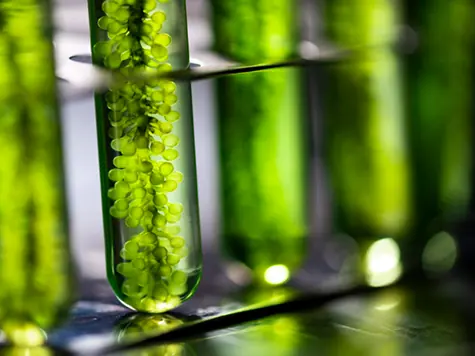
Seaweed yields a wide range of biologically active compounds — vitamins, minerals, amino acids, carbohydrates and lipids — for traditional and new cosmeceutical products.
Cosmetics Scientific Journal · Personal Care Insights
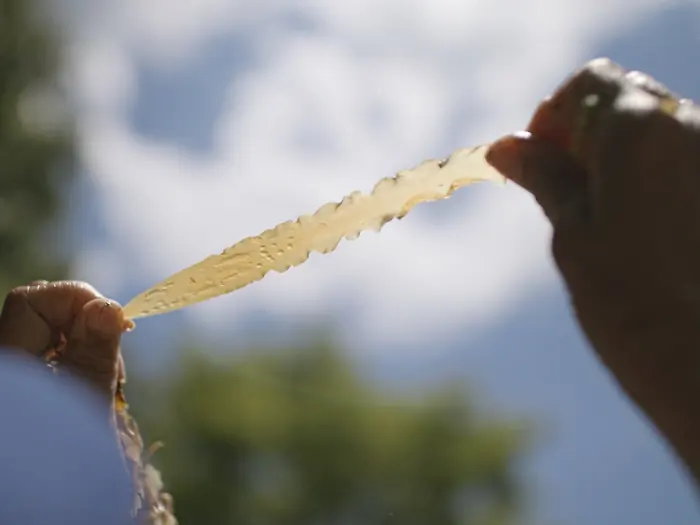
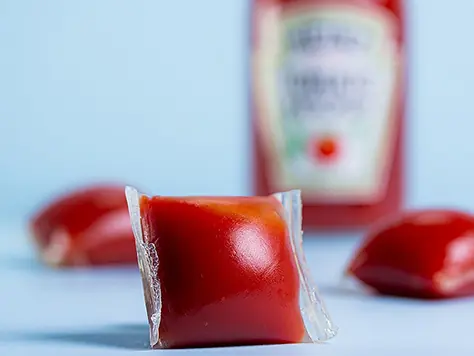
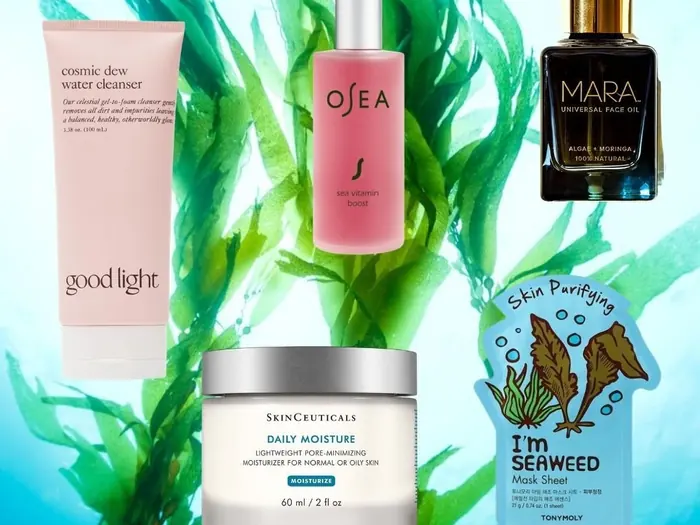
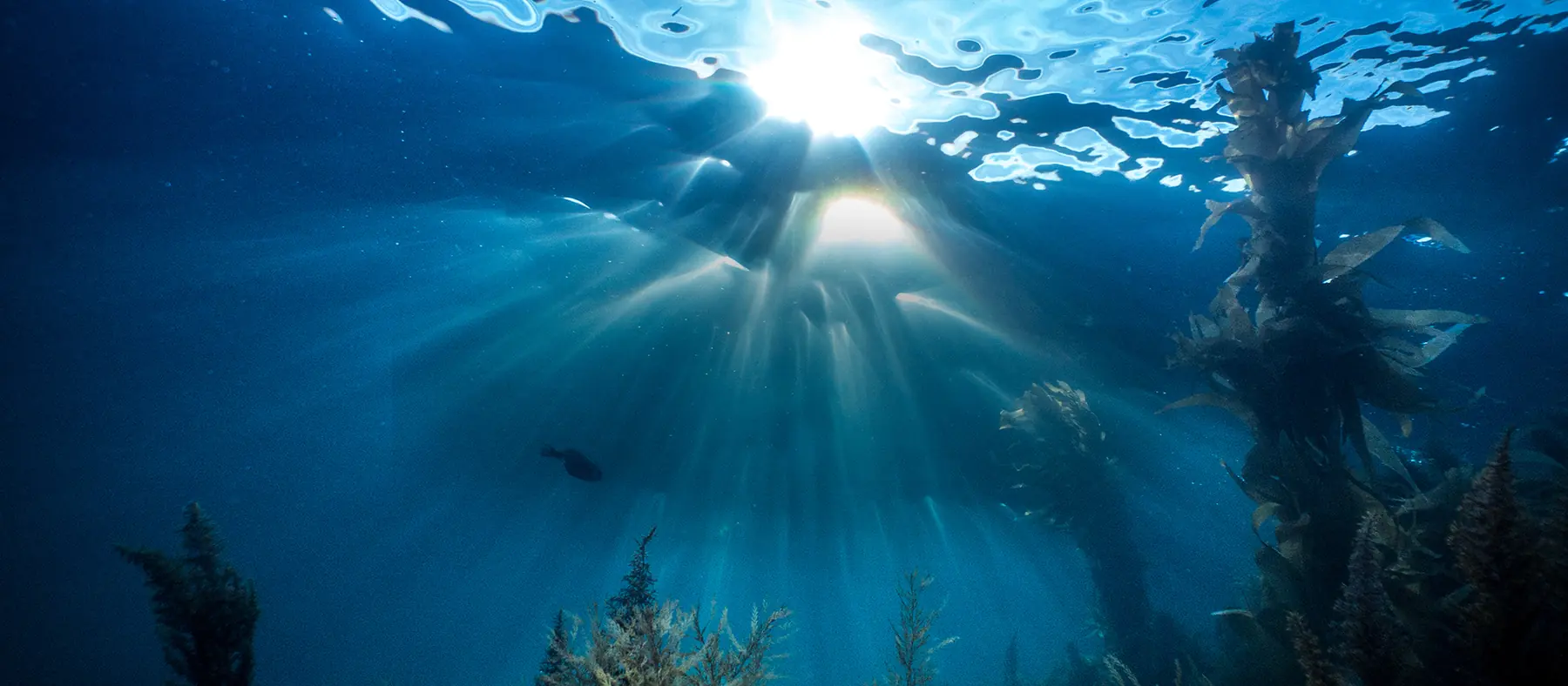
“Seaweed is poised to become one of the key strategic resources of the future…”
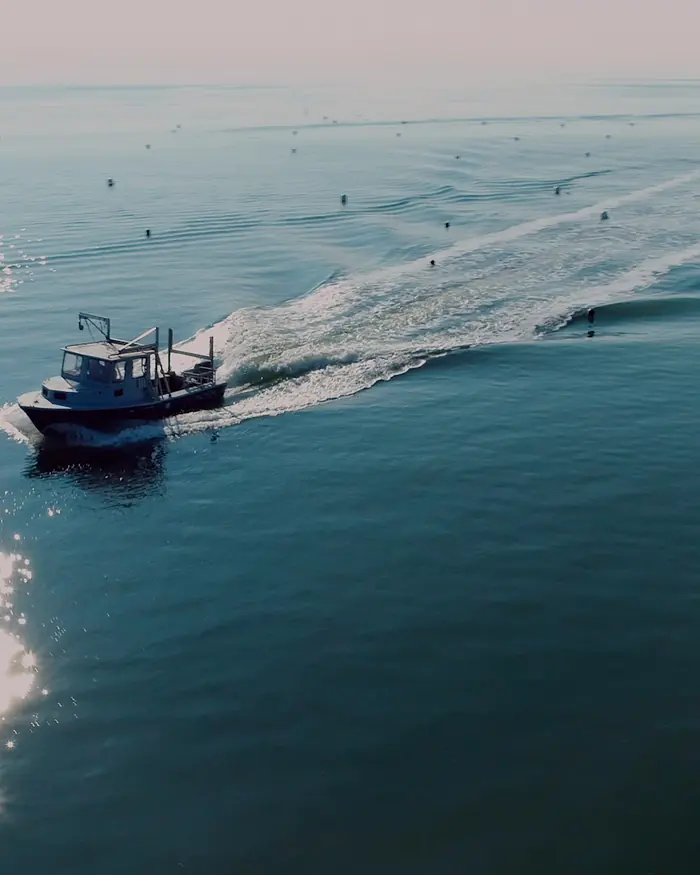
“While all of these big-budget silver bullet attempts at stopping climate change are floundering, Maine lobstermen are putting their heads down, getting to work, and leading the charge in the U.S. in growing the most climate-friendly food on the planet.”
World Economic Forum, May 2022
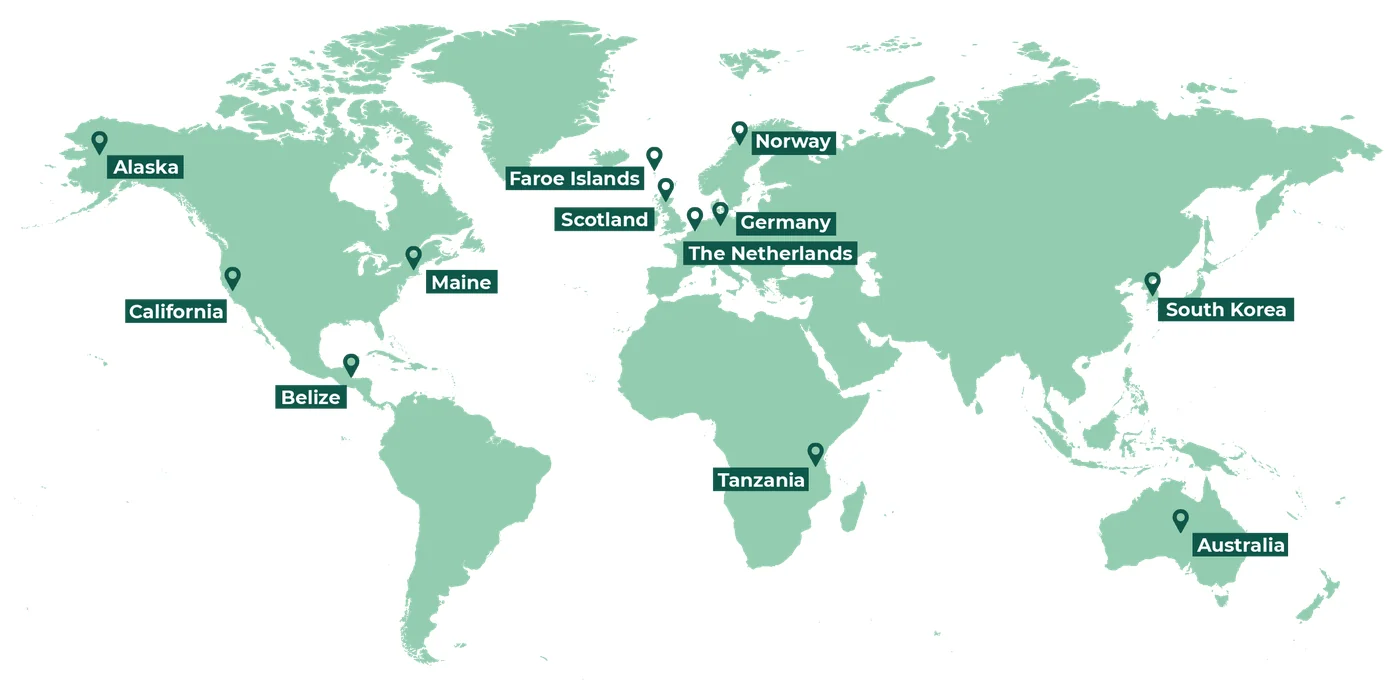
Anticipated filming locations
From the Ocean State to the far side of the world.
Domestic locations include Alaska, Maine, California and Washington; international locations include Norway, Australia, Tanzania, India and Chile — with Long Island’s Shinnecock Nation, the Faroe Islands, Scotland, the Netherlands, Belize and South Korea on the map.
Filmed to date
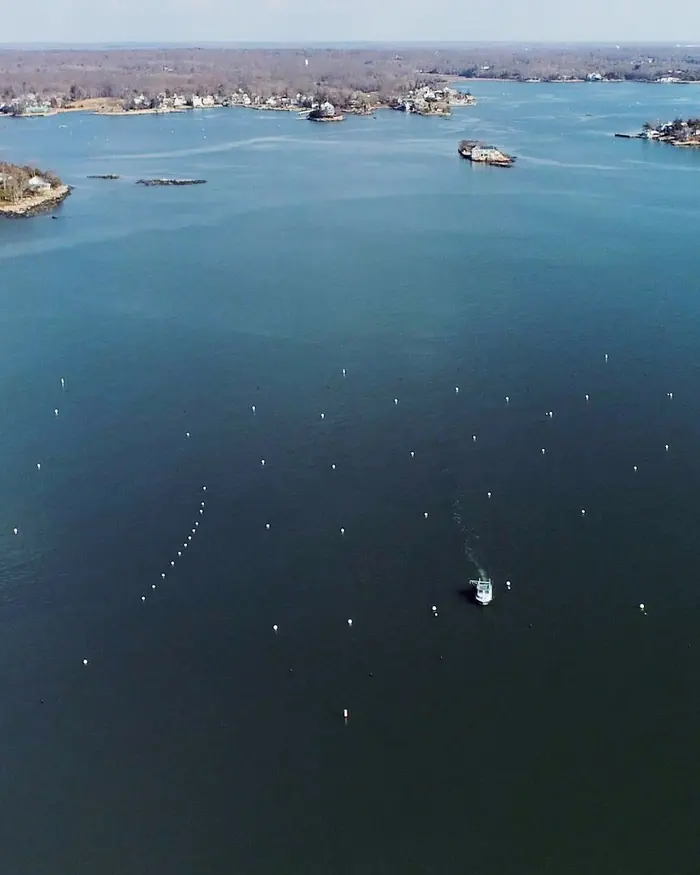
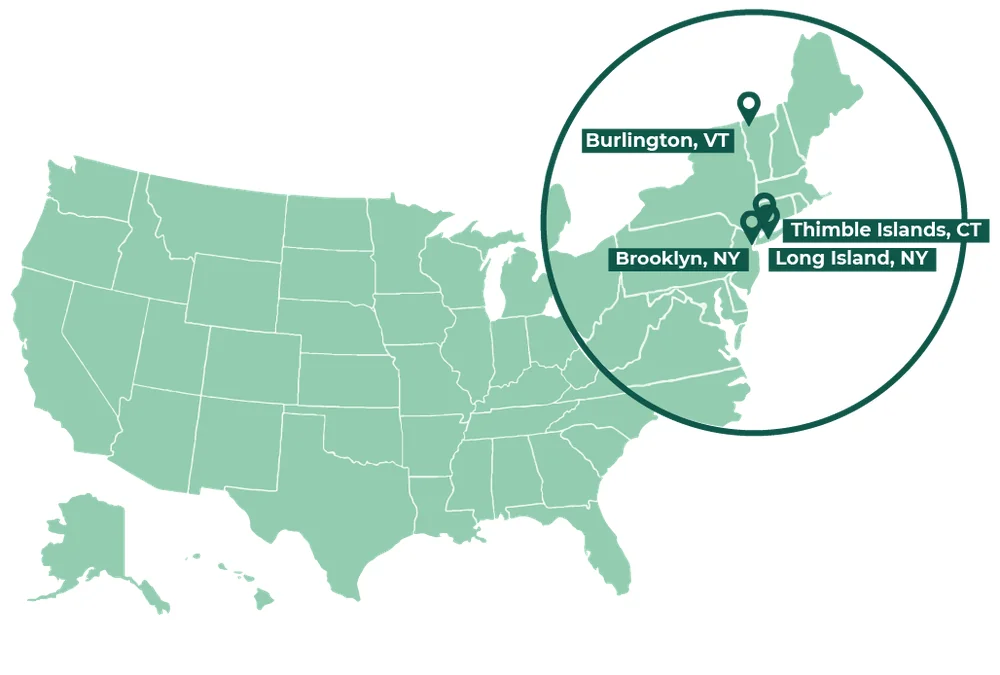
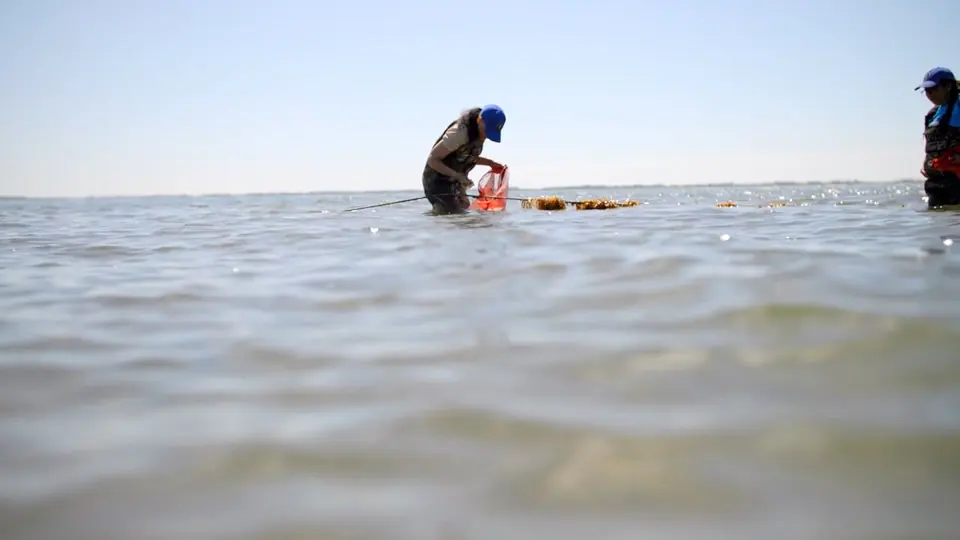
Early-stage interviews across the Northeastern U.S. in 2022 and early 2023: Burlington, VT · the Thimble Islands, CT · Brooklyn & Long Island, NY.
Interviewed to date
The people already in the water.
Casting of the full feature will be far more global and diverse.
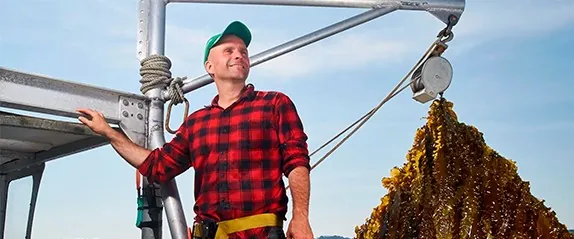 Bren SmithCo-Founder & Co-Executive Director, GreenWave
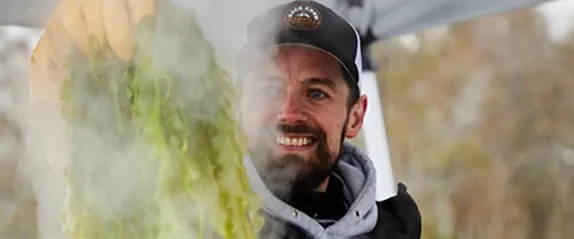 Casey EmmettCo-Founder, The Crop Project
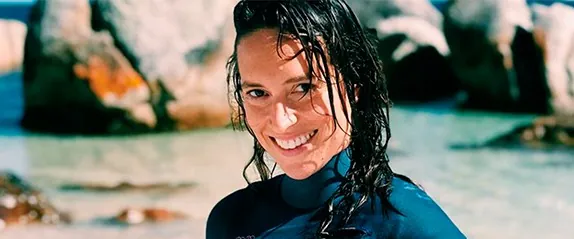 Courtney B. MyersCo-Founder, Akua
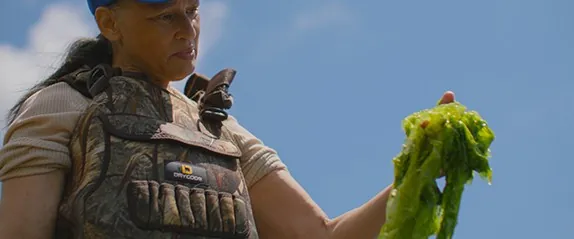 Donna Collins-SmithShinnecock Kelp Farmers
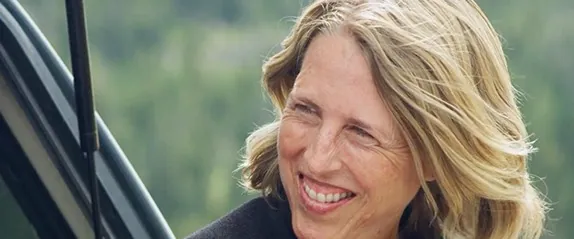 Kate WilliamsCEO, 1% for the Planet
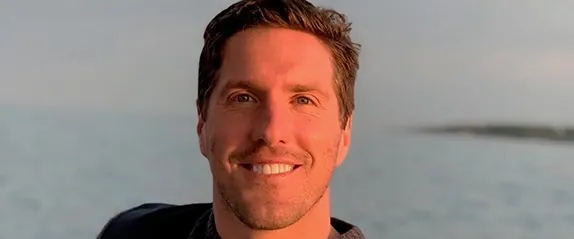 Willis BrownFounder, Seagreen
The films so far
Two shorts, one made with 1% for the Planet.
Launched on World Ocean Day from early bootstrapped filming across the Northeast — featuring GreenWave, Akua, The Crop Project, Seagreen and the Shinnecock Kelp Farmers. The proof of concept for the feature.
Audience, impact & distribution
A film is the cornerstone. The campaign is the movement.
Kelp Movement builds its audience through a community-based social campaign before, during and after production — teasers, trailers, stills and three short films to be released across the production cycle, amplified by our scientific, NGO and celebrity-influencer community. The feature follows a festival world premiere with synchronized theatrical, digital and educational windows, including a full suite of bespoke classroom content for K-12 and university use — the cornerstone of an ongoing, multi-platform campaign to inform and inspire consumers, communities, business leaders and policymakers to join the growing #kelpmovement.

Director’s statement
Willa KammererDirector & ProducerI’ll never forget the first time I tried to produce a story about kelp and ocean farming. It was 2009. I was living in Portland, Maine, and had read an article in the Portland Press Herald about the first U.S.-based kelp farm just starting off the coast, which promised to clean up coastal ecosystems and tap into the $7 billion global seaweed industry. Thinking I had stumbled on green-blue gold, I pitched the public radio show The Environment Report. My pitch was rejected, and I was completely mystified — as far as I could tell the story had all the hooks and depth one could ask for, especially for an environmental show. In that moment of rejection I decided to take a more entrepreneurial approach to my story-making. Looking back, I am so grateful for the rejection, the shift in path it facilitated, and the tools and perspectives I’ve gathered along the way.
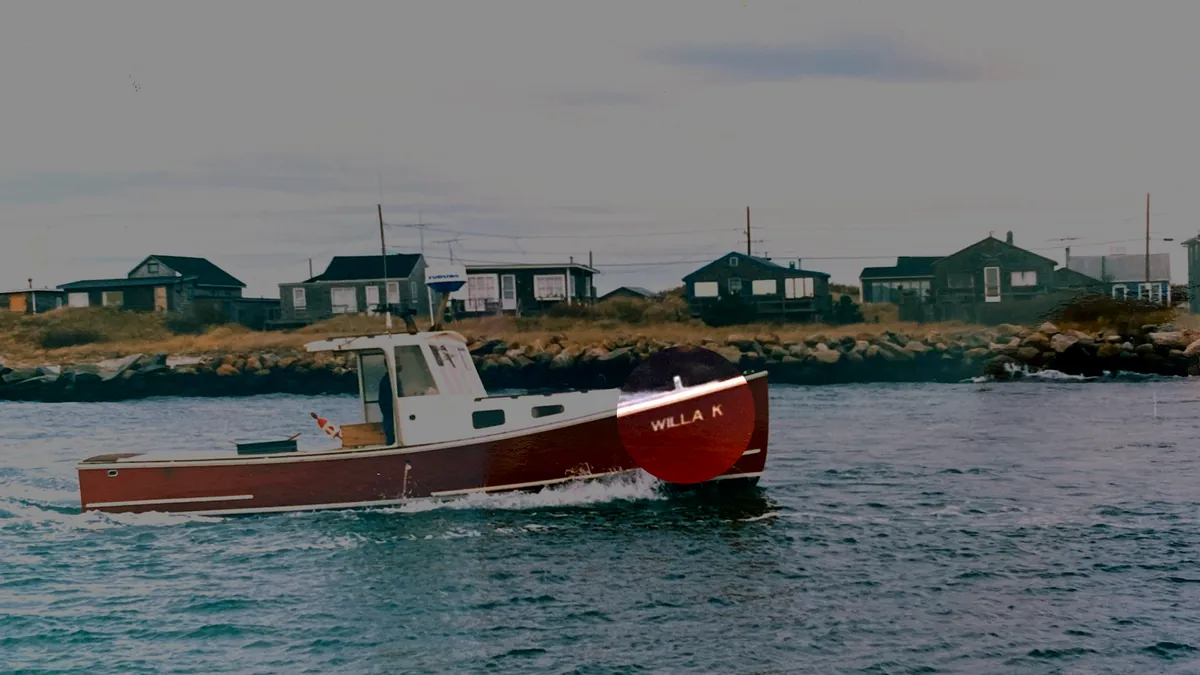
I grew up in the “Ocean State” of Rhode Island, and the names of both my father’s company (Willaburt Fisheries, painted on colorful plastic fish totes) and my uncle’s boat (emblazoned the Willa K) are reflective of the salt that runs deep in my lived experience — and my inherent understanding of the role the ocean plays in all our lives and collective future, whether we know it or not. More than a decade after my interest was first piqued, it’s become all the more clear that the farming of kelp — today described as “regenerative ocean farming,” and part of a broader blue economy movement — is one of the most interesting and important stories of our time.
The team
Built by storytellers who grew up on the water.
 Willa KammererDirector & Producer
 Katherine van HengelProducer
 Karol Martesko-FensterExecutive Producer
 Douglas DicconsonExecutive Producer
 Daniela AcostaProduction Assistant
 Bryce Kirchoff & Jessica SchneiderAudience Communications
Advisors
 Elliot SteinbergPresident, Saul Zaentz Charitable Foundation
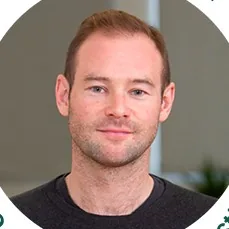 Craig WilsonCEO, The Climate Collective
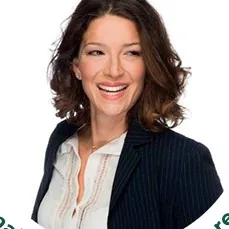 Alli JosephFilmmaker & Media Entrepreneur
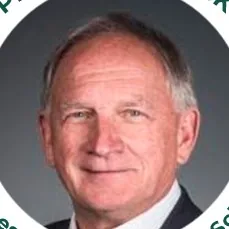 Peter ConopaskBusiness Advisor & Ocean Scholar
Good to know
Questions we’re asked most.
How can I get involved with Kelp Movement?
Reach out if you are a possible funder, collaborator, connector, partner, distributor or educator, or if you simply want to learn more. Use the Join the Movement button, email hello@kelpmovement.com, or follow @kelpmovement on Instagram and LinkedIn.
What is the production budget?
The fundraising target is $1,700,000 for production of the feature documentary and $335,000 for the associated release and impact campaign, a total budget of $2,035,000.
Where will the film be shot?
Domestic locations include Alaska, Maine, California and Washington. International locations include Norway, Australia, Tanzania, India and Chile, with Long Island's Shinnecock Nation, the Faroe Islands, Scotland, the Netherlands, Belize and South Korea also on the map.
What has been filmed so far?
Early-stage interviews across the Northeastern United States in 2022 and early 2023, in Burlington, Vermont, the Thimble Islands, Connecticut, and Brooklyn and Long Island, New York, with Bren Smith of GreenWave, Casey Emmett of The Crop Project, Courtney B. Myers of Akua, Donna Collins-Smith of the Shinnecock Kelp Farmers, Kate Williams of 1% for the Planet and Willis Brown of Seagreen. Two short films came out of that footage, one of them released with 1% for the Planet for World Ocean Day.
Join us
We are building a community — and a working coalition of the like-minded.
Whether you are a possible funder, collaborator, connector, partner, distributor or educator — or just want to learn more — please reach out. We’re here and already in motion, and hope you will join us.
- $1.7MProduction of the feature documentary — Alaska, Maine, California, Washington; Norway, Australia, Tanzania, India, Chile
- $335KRelease & impact campaign
- $2.035MTotal budget
With your help, and together, we can catalyze a brighter, bluer future. A Firestarter Interactive production.