Fieldnotes / Documentary
How to host a Starting at Zero screening, and what happens at one
More than 100 communities have used the film to open the case for early childhood investment. Here is how they did it.
By Firestarter InteractiveSeptember 8, 20262 min read
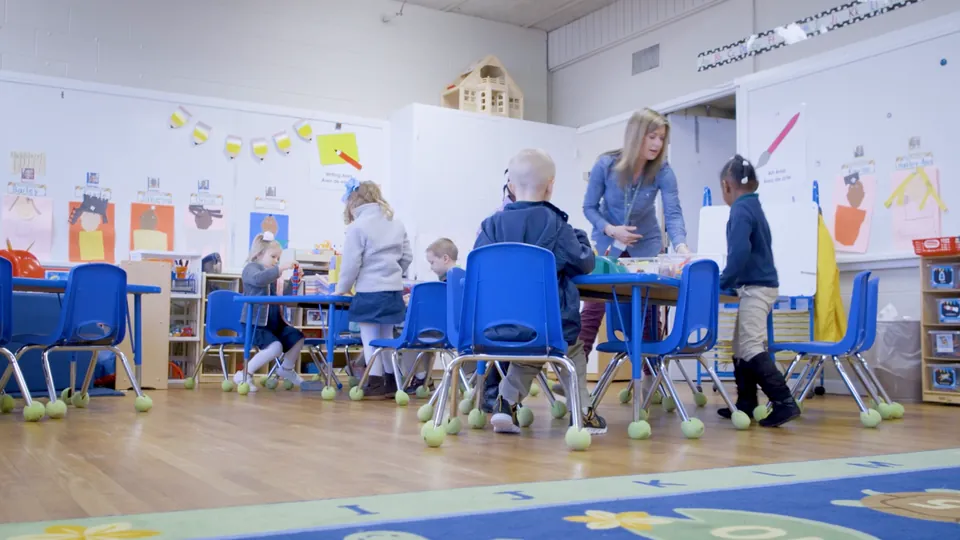
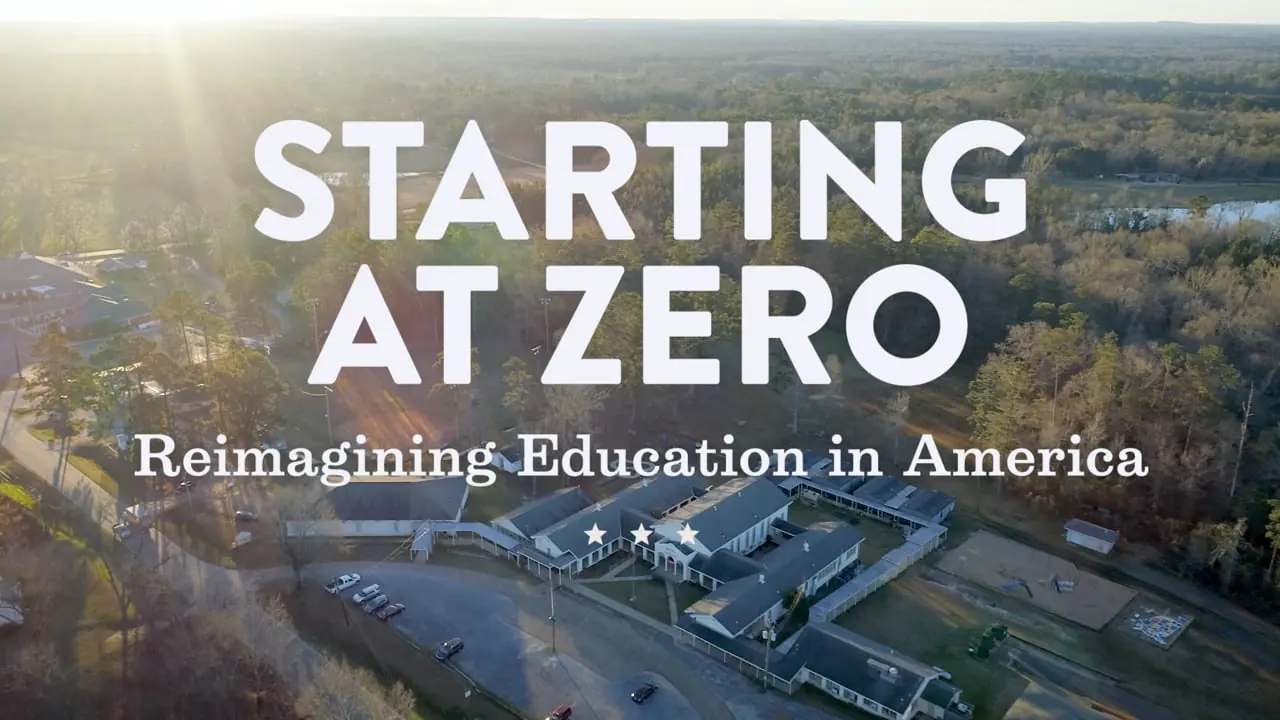
Starting at Zero: Reimagining Education in America makes the case for investing in high-quality early childhood education so that all children and families have the opportunity to attain the American Dream. It brings together policymakers, educators, academics, business leaders, pediatricians, parents and children, including five current and former governors who champion early education, and it ends with a call to governors across America for collective action.
That ending is the reason it screens so well in a room. The film is a conversation starter, and since its 2020 release it has been the centerpiece of more than 100 community screenings and panel events nationwide. Here is how those events come together.
1. Decide who needs to be in the room
The strongest screenings are convened around a decision. State early-education leaders use the film to open a legislative conversation. Foundations use it to bring grantees and funders into one room. School districts and advocacy coalitions use it to move parents and business leaders from sympathy to support. Start with the people who can act, and build the invitation list from there.
2. Request the screening
Complete the Host a Screening form on the film’s website, or email info@startingatzerofilm.com. The film’s team will walk you through the educational and institutional licensing options, which cover DVD and digital site licenses for organizations, and confirm the format that fits your event.
3. Plan the panel
A screening on its own informs. A screening followed by a panel moves people. The most effective events pair the film with a short, moderated discussion: a state or district early-education leader, a pediatrician or researcher, a teacher, and a parent. Director Willa Kammerer and elected officials have joined many of these discussions, in person and remotely, and the film’s team can help you ask.
“A call to governors to invest in high-quality early childhood education to support today’s workforce and the workforce of tomorrow.”IndieWire
4. Ground the discussion in the film
The film gives a panel three natural threads. The developmental brain science that shows how essential the earliest years are to human potential. The features of high-quality early learning, brought to life through the evolution of Alabama’s #1-ranked state Pre-K program. And the governors themselves: Steve Bullock of Montana, Kay Ivey of Alabama, Ralph Northam of Virginia, Jim Hunt of North Carolina and Phil Bryant of Mississippi, whose bipartisan agreement on early education is often the moment a skeptical room turns.
5. Give people something to do next
End with an ask that matches the room: a bill number, a budget line, a coalition to join, a fund to support. The film’s impact campaign also offers a follow-up video with Delaware’s governor and the Starting at Zero podcast, which extend the conversation past the event itself.
Where to watch first
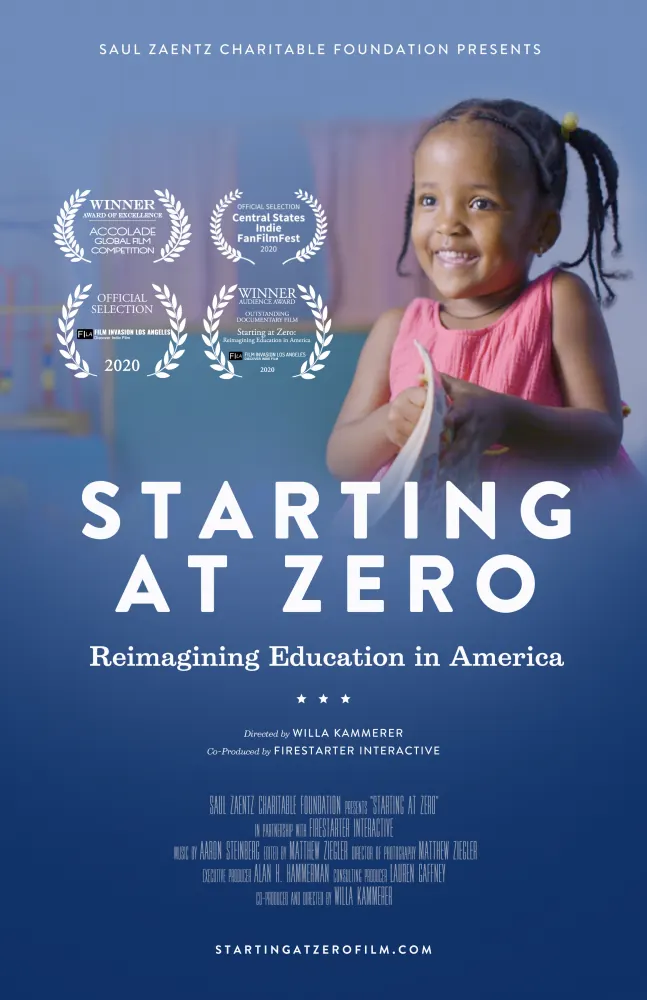
The film is available on demand through startingatzerofilm.com, alongside the trailer. It won the Audience Award for Outstanding Documentary Film at Film Invasion Los Angeles 2020 and an Award of Excellence from the Accolade Global Film Competition, with official selections at seven festivals. Directed by Willa Kammerer and co-produced by Firestarter Interactive with the Saul Zaentz Charitable Foundation, it is Firestarter’s first feature-length documentary.
Published in Fieldnotes
Documentary · September 8, 2026 · All posts